

Nigeria’s fiscal reality goes beyond subsidy removal.
“Subsidy removal stops a leak. It does not fill the tank.”
A question recently amplified by Muhammadu Sanusi II continues to dominate public discourse:
If fuel subsidy has been removed, why is Nigeria still borrowing?
It sounds simple — but it rests on a deeper misunderstanding of how Nigeria’s finances actually work.
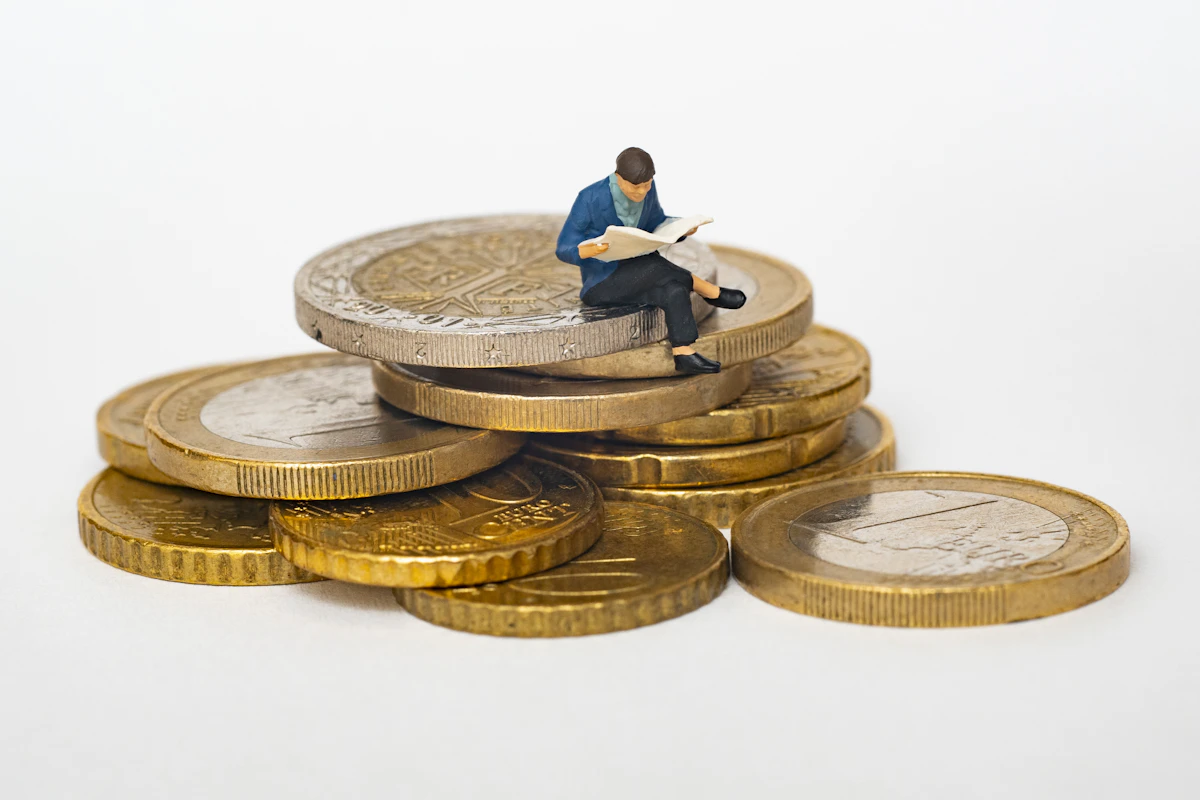
Debt and fiscal pressure did not start with subsidy — and do not end with it.
For years, Nigeria did not fund subsidy from surplus revenue. It funded it through borrowing.
In simple terms, the country was borrowing to sustain consumption — much like an individual taking loans just to pay rent.
So when subsidy was removed, what changed?
Not income. Not surplus. Only one stream of borrowing stopped.
“You cannot save what you never had.”
The accumulated debt remains. Interest payments continue. Fiscal pressure persists.
Subsidy removal delivered relief — but not transformation.

Infrastructure remains Nigeria’s biggest economic gap.
There is another layer often ignored.
Even after stopping subsidy borrowing, Nigeria still needs to build its future — power, roads, healthcare, education.
That requires capital.
And when revenue is insufficient, borrowing becomes a tool — not for consumption, but for development.
“There is a fundamental difference between borrowing to survive and borrowing to build.”
Borrowing for subsidy created no lasting value.
Borrowing for infrastructure, if done right, can expand economic capacity and generate future returns.
But that “if” is everything.
The real issue is not borrowing — but what it is used for.
The real debate should not be whether Nigeria borrows.
It should be:
What is the borrowing used for?
Is it productive?
Does it create long-term value?
“Relief is not the same as savings — and development cannot wait.”
Until borrowing is consistently tied to productivity, accountability, and growth, the paradox will remain.
Subsidy may be gone.
But borrowing — for now — remains.
Written by Tony Agenmonmen
🤔 Question Board
Should Nigeria reduce borrowing immediately, or focus on ensuring borrowed funds are used productively?
Borrowing is not inherently bad—mismanaged borrowing is. The future of Nigeria’s economy depends less on cutting loans and more on how effectively they are converted into growth.