
World News | April 6, 2026 | Analysis by lenient israel
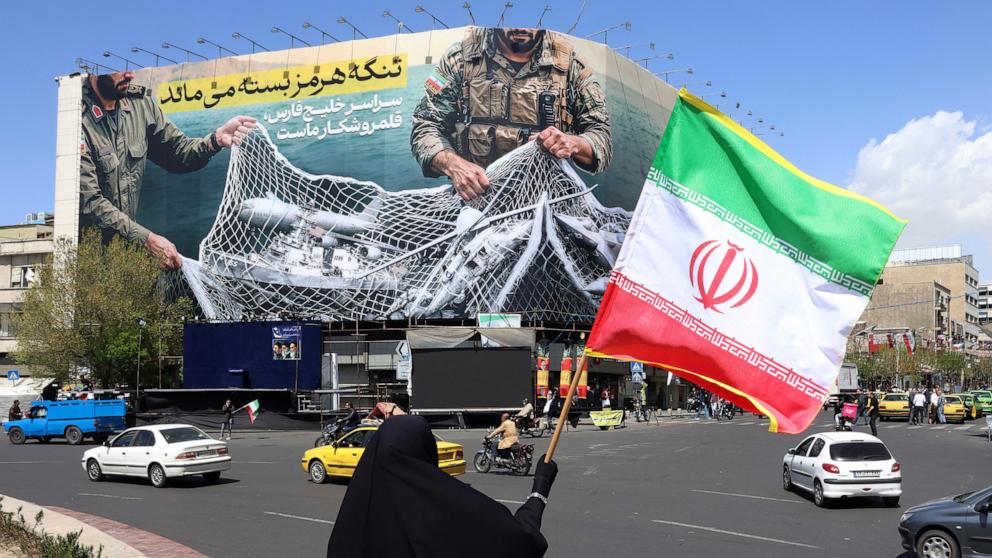
WASHINGTON D.C. — The world is holding its breath as a Tuesday deadline looms. President Donald Trump, utilizing his direct-to-public communication channels on Truth Social, has escalated tensions to a level not seen since the 1962 Missile Crisis. At the center of the dispute is the Strait of Hormuz, the vital artery of global oil, currently under a partial blockade by Iranian forces.

The 'Bridge Day' Threat
In his latest post, the President used stark, uncompromising language: "They think they can close the world's oil? Wrong. Tuesday will be Power Plant Day. Tuesday will be Bridge Day. If the ships don't move, their country doesn't light up." This refers to a planned precision strike against Iran's power grid and transportation network.
Past Correlation: This mirrors the "Tanker War" of 1984, where Iraq and Iran attacked each other's commercial shipping. However, the 2026 iteration is vastly more dangerous. In the 80s, ships were targeted; in 2026, the entire digital and energy infrastructure of a nation is being threatened with "obliteration" via a combination of cyber-attacks and hypersonic missiles.

Global Economic Fallout
Oil prices surged past $145 a barrel this morning. Analysts at Goldman Sachs warn that a full-scale kinetic strike on Iranian power plants would not only destabilize the region but could lead to a global energy "blackout." In Nigeria, the impact is already being felt with a sudden spike in landing costs for refined products, threatening to undo recent Naira stability.
The Way Forward
While the White House remains hawkish, a "Two-Phase" truce proposed by China and Pakistan is currently being debated behind closed doors at the UN. The proposal suggests a 45-day ceasefire in exchange for a UN-monitored corridor in the Strait.
Reader Interaction & Thoughts
Do you believe military threats are the only way to keep global trade lanes open, or should the West respect the regional sovereignty of nations in the Middle East? How will $150 oil affect your daily business in Nigeria?
Suggestion: We recommend our readers diversify their energy sources now. Solar and inverter systems are no longer a luxury but a necessity in this volatile market.
Join the conversation below. Your voice matters!