
Military Analysis | April 6, 2026 | War Update
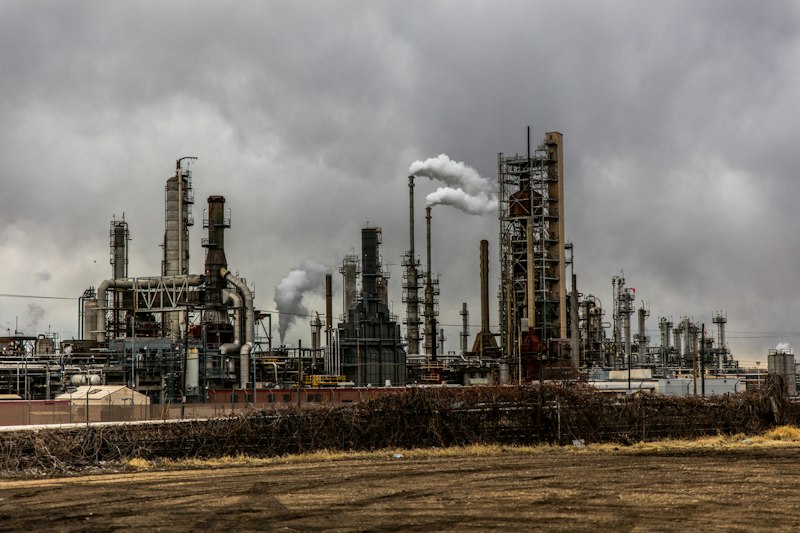
ST. PETERSBURG — Thick, toxic smoke is blanketing Russia’s second-largest city today following a massive Ukrainian drone assault on the Ust-Luga oil terminal. Despite Russian claims that 30 drones were "intercepted," falling debris ignited catastrophic fires at two Lukoil facilities, halting exports from one of the Baltic Sea’s most critical ports.
A Shift in Strategy
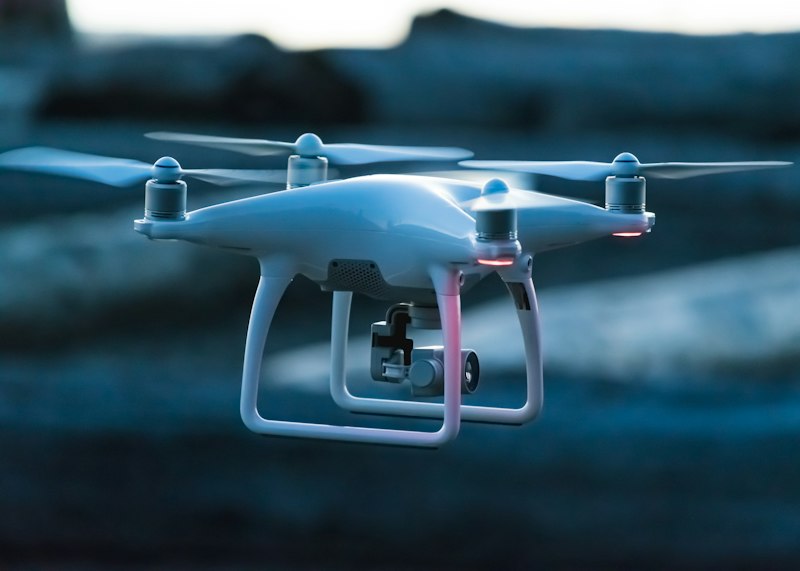
The strike marks a turning point in Ukraine's long-range drone program. By targeting the Leningrad region, Kiev is proving that no part of European Russia is "safe" from retaliation. Local residents reported seeing "fireballs in the sky" as air defenses struggled to track low-flying, carbon-fiber drones designed to evade radar.
Past Correlation: This strategy is a modern evolution of the "Strategic Bombing" campaigns of WWII, but performed with surgical precision and no pilots. By hitting the oil industry—the "piggy bank" of the Russian war machine—Ukraine aims to force a domestic economic crisis that the Kremlin cannot ignore.

Environmental and Security Crisis
The Port of Ust-Luga is currently at a standstill. Environmentalists warn that the smoke from the Lukoil tanks contains high levels of sulfur and toxins, leading to health warnings for St. Petersburg’s 5 million residents. Meanwhile, in Hungary, PM Viktor Orban has called for an emergency defense council, fearing that similar sabotage could target the Balkan Stream pipeline next.
Strategic Thought
As the war reaches deep into the Russian heartland, the distinction between the "front line" and "home front" is disappearing. How long can the global oil market sustain hits to both Middle Eastern and Russian supply lines simultaneously?
Your View: Is targeting civilian-run oil facilities a fair move in modern warfare? Join the debate in our comment section.