
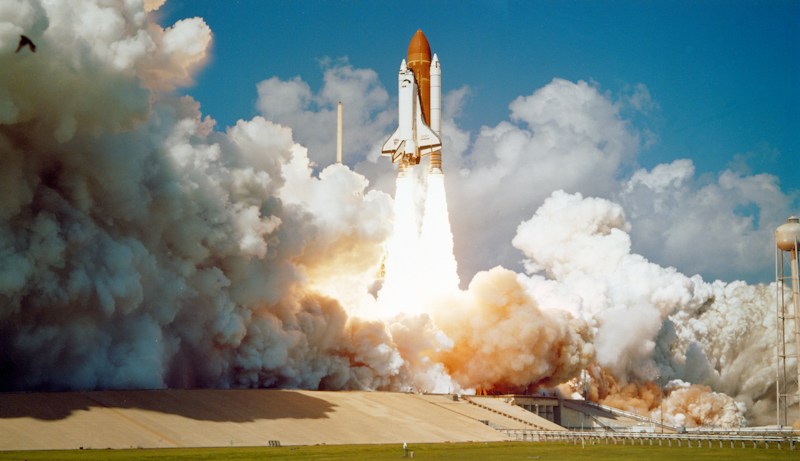
NASA’s Artemis II mission has successfully reached the Moon's gravitational influence, marking the first time humans have traveled this far since 1972. While this mission will not land, it serves as a critical 10-day rehearsal for future Mars expeditions.
The crew is currently testing life-support systems and manual maneuvering in deep space, proving that human sustainability beyond Earth is within reach.
Science & Tech | April 6, 2026 | Mission Update
LUNAR ORBIT — At exactly 12:37 a.m. EDT today, NASA’s Orion spacecraft officially entered the Moon’s sphere of influence. For the first time since the Apollo 17 mission in 1972, human beings are being pulled by the gravity of another celestial body. "We are now falling to the Moon rather than rising away from Earth," Mission Specialist Christina Koch radioed back to Houston.
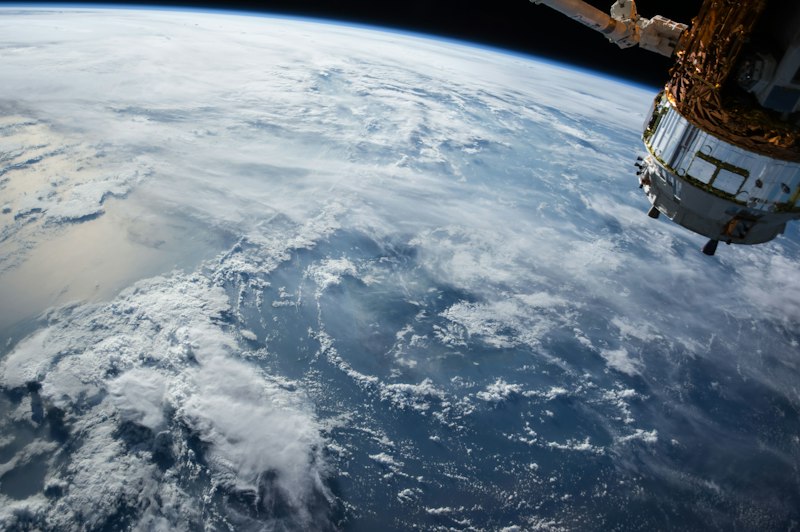
Breaking Distance Records
The crew—Reid Wiseman, Victor Glover, Christina Koch, and Jeremy Hansen—is now 18,830 miles from the lunar surface. By tomorrow, they will swing around the far side of the Moon, reaching the farthest distance any human has ever traveled from our home planet. This isn't just a sightseeing trip; the crew is testing the radiation shielding and life-support systems required for the 2027 lunar landing.
Past Correlation: This mission mirrors the historic Apollo 8 mission of 1968. Just as Apollo 8 proved we could reach the Moon, Artemis II is proving that modern 21st-century tech can sustain humans for long-duration deep space travel. Interestingly, the crew received a pre-recorded "Good Luck" message from the late Apollo legend Jim Lovell before his passing in 2025.
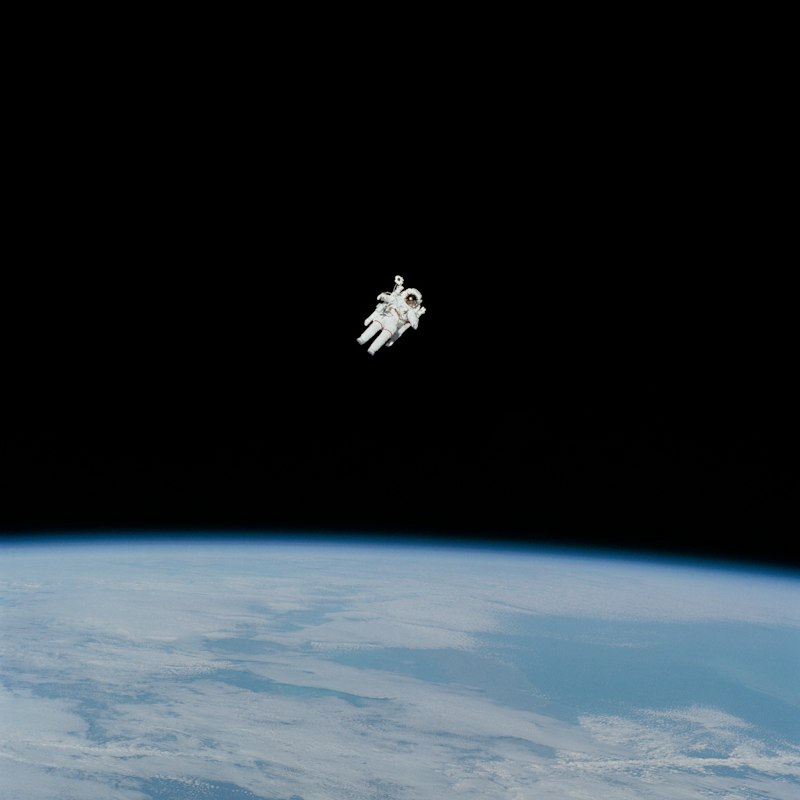
The Next Giant Leap
Data gathered today will determine the landing site for Artemis III. While the world watches the geopolitical tensions on Earth, these four astronauts represent a rare moment of global scientific unity. NASA and the Canadian Space Agency (CSA) are already analyzing the Orion's heat shield performance for the high-speed reentry scheduled for next week.
The Future of Humanity
Is the Moon just a stepping stone or the final destination? With Mars missions planned for the 2030s, today's milestone feels like the true beginning of the "Space Century."
Recommendation: We suggest our readers follow the live NASA "Lunar Flyby" stream tomorrow morning. Do you think the $4 billion price tag for this mission is worth it for humanity? Tell us below!