
Economy & Climate | April 6, 2026 | Global Report
BRUSSELS/NEW YORK — As the conflict in the Middle East threatens to choke the world's fossil fuel supply, a structural shift is occurring in the global economy. Analysts today labeled the Iran-US standoff as a "final wake-up call" for energy independence. With oil prices hovering near $150, the demand for solar, wind, and battery storage has hit an all-time high in the first week of April.

The End of "Cheap" Oil?
Linda Kalcher, executive director of Strategic Perspectives, noted this morning that the Middle East crisis has exposed a central vulnerability: the dependence on fossil fuels flowing through conflict zones. "Fossil fuels are no longer the 'cheap' option when you factor in the cost of war and supply chain instability," she stated. In Europe, governments are fast-tracking "Permit-Free" solar zones to decouple their grids from Middle Eastern gas.
Past Correlation: This mirrors the 1973 Oil Crisis, which led to the first major push for fuel-efficient cars. However, in 2026, the technology exists to replace oil entirely in many sectors. We are seeing a "Green Industrial Revolution" born out of military necessity rather than just climate concern.
Impact on Emerging Markets
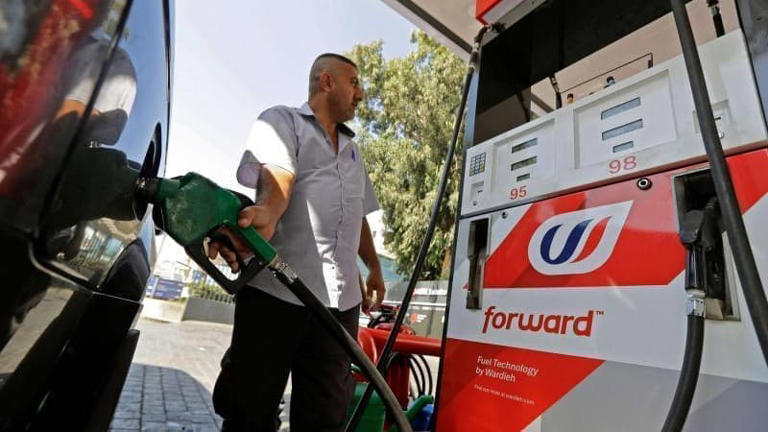
For nations like Bangladesh and Nigeria, the volatility is a double-edged sword. While oil-producing nations see a short-term revenue spike, the cost of importing refined petrol is crippling local businesses. The UN is now pushing for "Resilience Financing" to help these nations build localized mini-grids that aren't tied to global Brent prices.
The Green Bottom Line
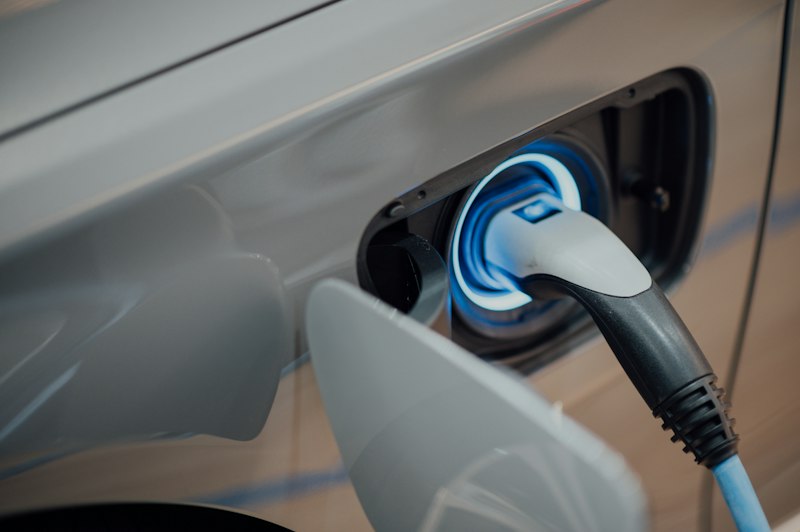
Renewables are now a "natural hedge" against war-driven inflation. Once a solar farm is built, the "fuel" (sunlight) remains free regardless of what happens in the Strait of Hormuz.
Reader Poll: Are you considering switching to solar for your home or business this year? What is the biggest barrier stopping you? Let us know below!